Panama takes the rights of nature to the United Nations
At the UN General Assembly, Panama’s president asked world leaders to support a Universal Declaration of the Rights of Nature. Speaking at the 81st UN General Assembly in September, Panama’s President José Raúl Mulino announced that his country would lead an international effort to recognise the universal rights of nature, and asked other states to […]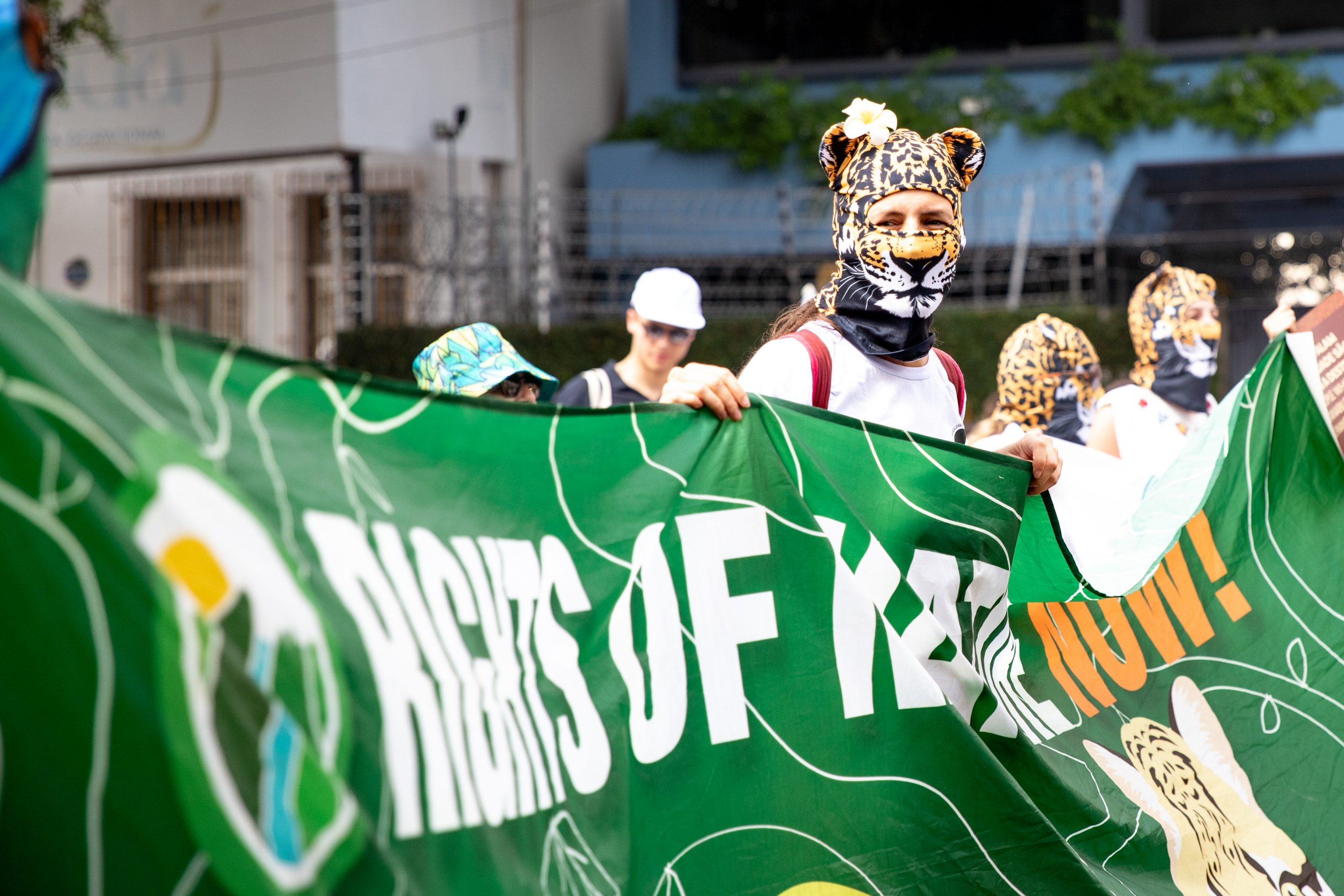
At the UN General Assembly, Panama’s president asked world leaders to support a Universal Declaration of the Rights of Nature.
Speaking at the 81st UN General Assembly in September, Panama’s President José Raúl Mulino announced that his country would lead an international effort to recognise the universal rights of nature, and asked other states to support it. In the same week, the first member states signed a Statement of Participation in the For Nature Coalition of States, coordinated by Panama’s mission to the UN and its Ministry of Environment. The coalition is intended as a space for countries from different regions to share experience and to consider the proposed declaration.
Panama has domestic law to draw on. Law 287 of 2022 recognises nature as a holder of rights, and a 2023 law recognises the right of migratory sea turtles to free passage in a healthy environment. In April 2026 Panama signed an agreement with the foundation For Nature to work towards a Universal Declaration of the Rights of Nature at the General Assembly. The Global Alliance for the Rights of Nature describes Panama as the first Latin American country to take its domestic framework into a multilateral initiative of this kind.
What is proposed is a declaration, which would not be legally binding. Its value would lie in setting a shared reference point that courts, parliaments and communities could draw on. The General Assembly has adopted resolutions on Harmony with Nature since 2009, so the idea is not new to the UN. What is new is a government proposing to negotiate a full declaration. Panama has proposed language in this year’s Harmony with Nature resolution that would open intergovernmental negotiations. If the resolution is adopted in December, co-facilitators from one developed and one developing country would guide the drafting. Panama’s advisers hope for an agreed text by 2030.
The proposal builds on decades of work by Indigenous Peoples and grassroots movements, including Ecuador’s 2008 constitution and the Universal Declaration of the Rights of Mother Earth adopted at the World People’s Conference in Cochabamba in 2010. A declaration negotiated by states will need to keep faith with those origins.
Standing beside: We will follow the December vote on the Harmony with Nature resolution, and the coalition’s progress towards the IUCN World Protected and Conserved Areas Congress, which Panama City hosts in September 2027.
Sources: Inside Climate News; IUCN; UN News (Spanish); GARN timeline
Photo: People’s March, COP30, Belém; photo by Aline Soterroni, November 2025