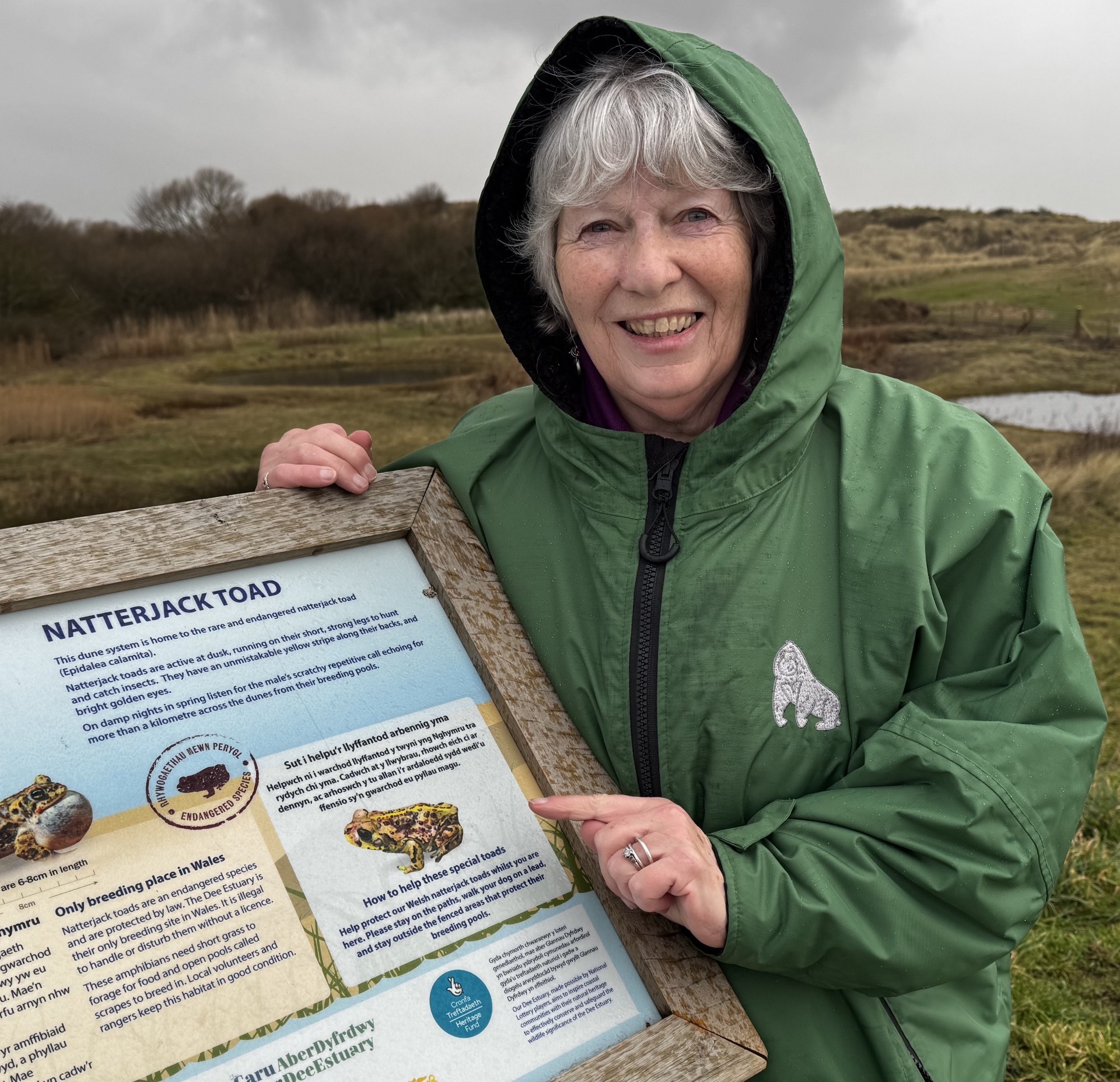
Madeline WiltshireNatterjack Toad
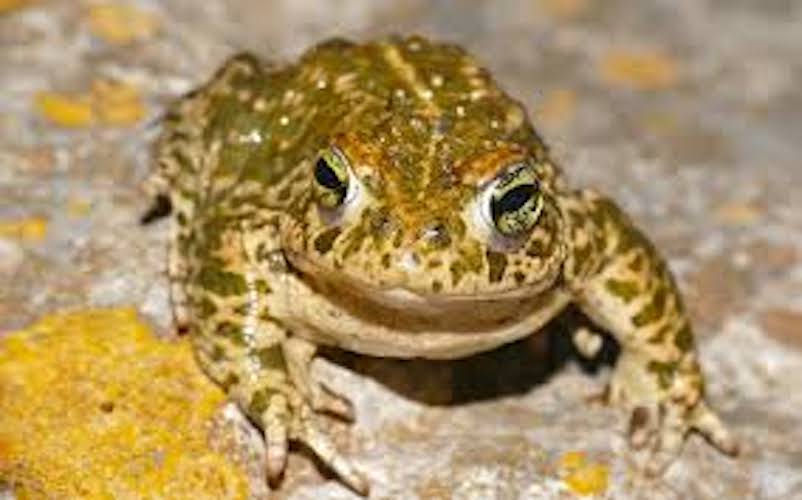
In the last 100 years, the UK has lost 75% of its natterjack toad breeding sites. Of those remaining, 50% can be found in Cumbria making this county the UK’s stronghold for this endangered creature. I chose this being firstly because of its common name. It’s a great name that is such fun to say out loud! It has no meaning other than possibly from the loud rasping call made by the male in spring. Did you know it is the Britains loudest amphibian. Secondly, from the scientific name we see the word ‘calamita’ and that is exactly what this rare creature is facing – a calamitous reduction in their numbers.
Natterjack toads have beautiful markings which can range from grey-brown to olive in colour, with red, yellow, and orange tips to the bumps on their skin that create a stunning mix of patterns. They have vivid yellowy-green eyes and a creamy-white belly. They ‘walk’ rather than hop as they have such short legs. Its most distinguishing feature though is the bright yellow stripe down its back.
It is only found in coastal sandy heaths and marshes where it can find shallow and warm ponds in which to breed. The best place to see and hear them near me is Sandscale Haws National Nature Reserve just north of Barrow-in-Furness.
These toads are only about 6-8cm long. primarily nocturnal and live on insects and other small invertebrates. Habitat loss and fragmentation due to land use changes and changing water management has been the biggest threat to this little toad so much so that it is now protected by The Wildlife and Countryside Act 1981. It is now an offence to disturb, capture or damage their habitat and is the focus of special conservation efforts.
Natterjack toads are an important part of the food chain in local ecosystems. While they are spawn and tadpoles, Natterjacks are a valuable food source for other amphibians and invertebrates (e.g. diving beetles). When they develop into toads, they will then eat the creatures who once tried to eat them! Once they reach adulthood, Natterjack toads become an important source of food for herons, otters, corvids (e.g. crows), badgers, and grass snakes.
Also, Natterjacks require specific environmental conditions to breed, which allows them to be used as an indicator for the impacts of climate change – as well as being an early warning system for the sustainability of other species and ecosystems.
What am I doing for this being? I have joined the Amphibian and Reptile Conservation organisation so I can stay in touch with what is being done to help this rare creature, and I will definitely visit Sandscale Haws one evening in the summer. I have visited a site in North Wales already…
I am an ex BBC children’s producer. I made wildlife programmes with Terry Nutkins and it was thanks to him that I grew to care even more about the natural world than I already did. Together Terry and I travelled the world filming wildlife in its natural habitat. I live in Manchester with my husband, two cats, two guinea pigs and as much wildlife as I can encourage in the garden -birds, hedgehogs, frogs and newts etc.