Caroline WeirAtlantic humpback dolphin
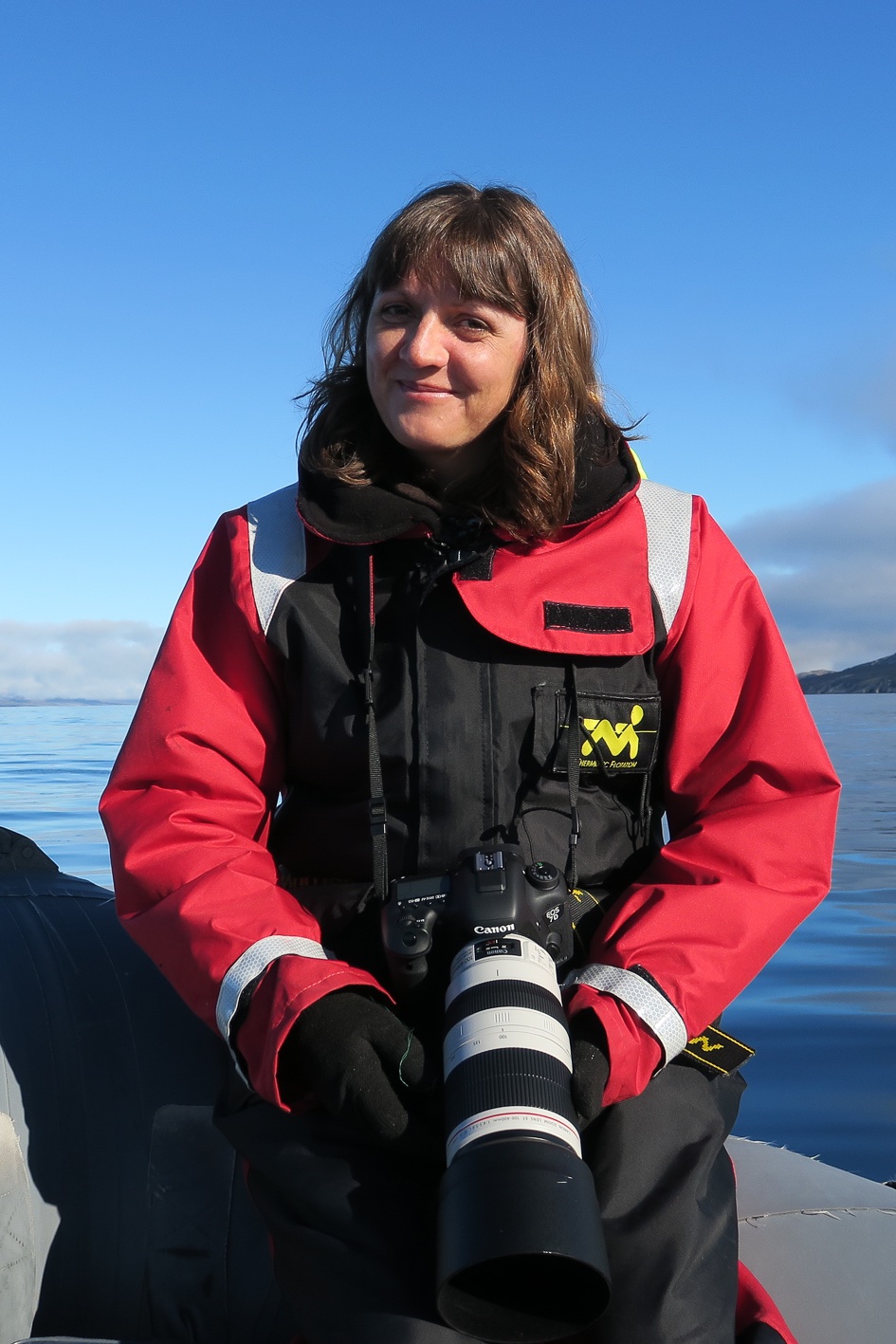
I am a cetacean (whales, dolphins, and porpoises) scientist who has studied free-ranging cetaceans since 1995. My research is conservation and management orientated, and involves carrying out baseline studies to understand the distribution, abundance and ecology of cetacean species, and the human activities that impact upon them. I love all aspects of my work, from fieldwork in remote places like the west coast of Africa and the Falkland Islands, to the data analysis and production of reports, species action plans, and red list assessments that help to protect them. Community outreach to raise awareness is an increasingly important responsibility for scientists, and I am delighted to support this project. When I am not actively working with cetaceans as part of my job, I like to spend time watching them along the coast, reading about them, and focussing artwork attempts on them. As a naturalist, I also enjoy all other wildlife and wild places.
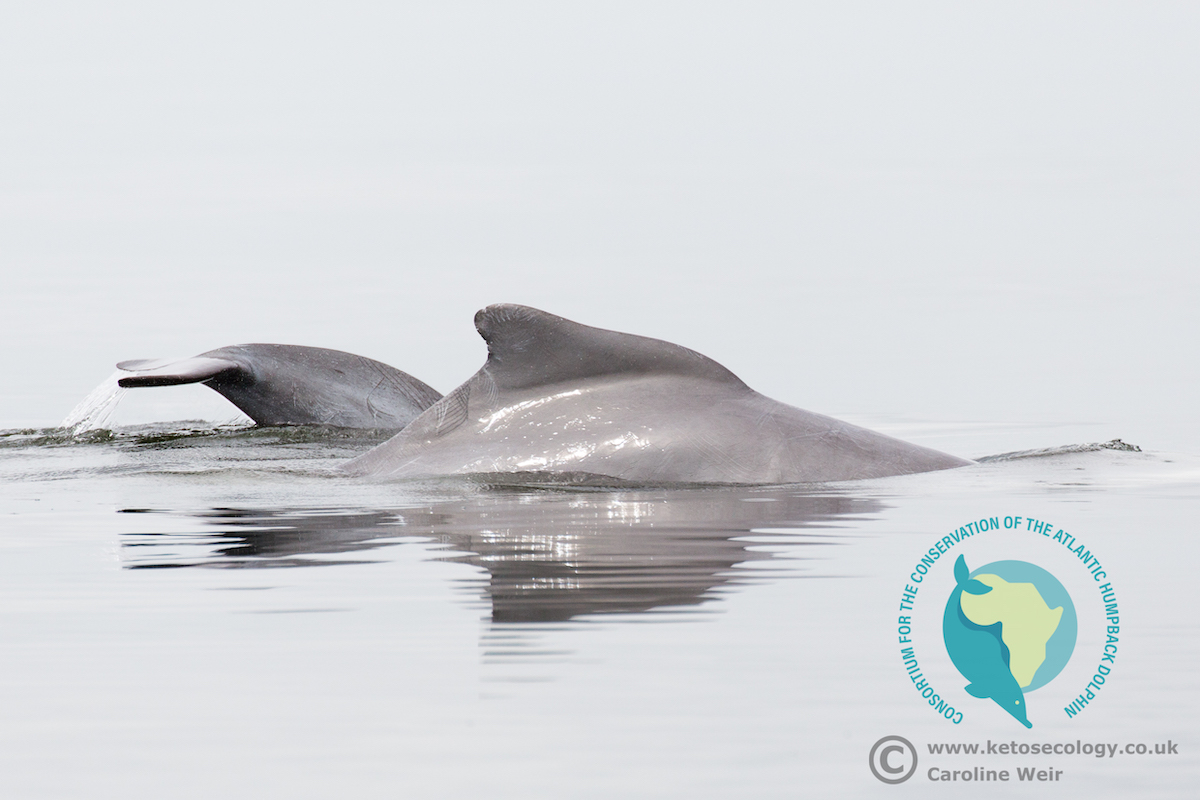
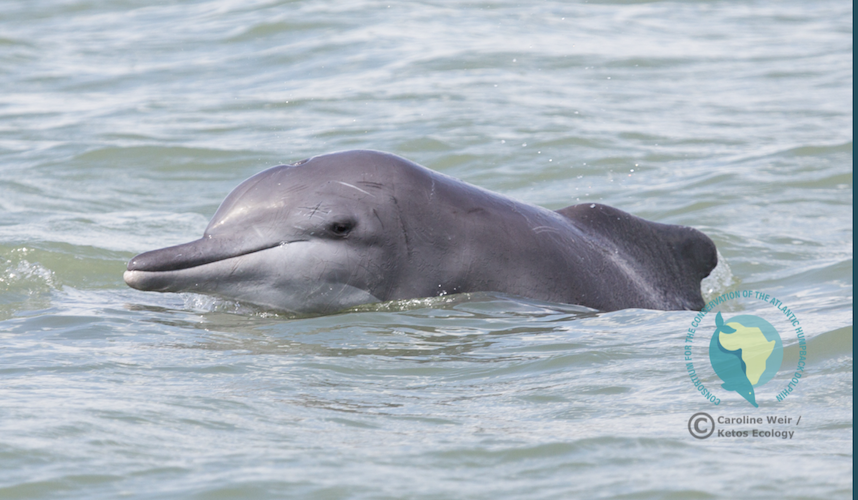
There is very little awareness of Atlantic humpback dolphins amongst the public, and yet the species is listed as Critically Endangered on the IUCN Red List and is one of the most threatened cetacean species globally. They live close to shore along the Atlantic coast of Africa between Angola and Western Sahara, and bycatch (accidental capture) in artisanal fishing nets is their major contemporay threat due to the reliance of coastal communities on the use of monofilament gillnets for their protein intake. Unfortunately, lack of knowledge of their population sizes and mortality rates is hindering conservation efforts, but this is slowly changing through the work of the Consortium for the Conservation of the Atlantic Humpback Dolphin (CCAHD) of which I am proud to have been a founding member. On a personal note, I have been very fortunate to spend time carrying out baseline studies of Atlantic humpback dolphins in Angola, Senegal, and Guinea, and greatly admire this understated yet quietly charismatic species. They are not especially prone to breaching or bow-riding boats like many dolphin species, but instead prefer to live a peaceful life away from noisy boat engines and disturbance, and I can very much relate to that. It would be extremely sad if we lost them.