Amazonian stingless bees are granted legal rights
Sharing some beautiful news about the latest development in the Rights of Nature movement. In December last year, two municipalities in the Peruvian Amazon adopted ordinances recognising native stingless bees as rights-bearing subjects. Reported by The Guardian, the decision has been described as the first time an insect has been granted legal rights. The ordinances […]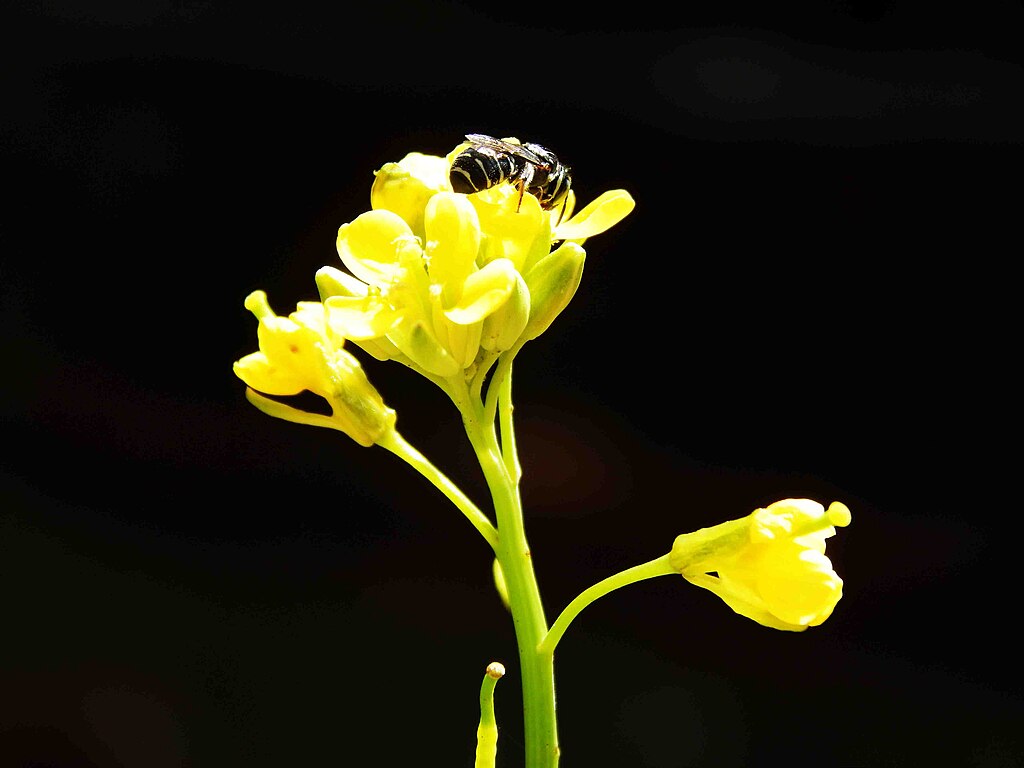
Sharing some beautiful news about the latest development in the Rights of Nature movement. In December last year, two municipalities in the Peruvian Amazon adopted ordinances recognising native stingless bees as rights-bearing subjects. Reported by The Guardian, the decision has been described as the first time an insect has been granted legal rights. The ordinances recognise rights for the bees to exist and flourish, to live in a healthy and pollution-free habitat, and to be legally represented when those rights are threatened.
We learned that the move took place in the municipalities of Satipo and Nauta, and it builds on a national legal framework passed earlier in the year that recognised native stingless bees as a matter of public interest. Together, these decisions signal a shift in how environmental protection can be framed in law: from species protection as a policy goal to species protection as a legal duty.
Campaigners involved in the ordinances have been clear about what they are trying to change. Constanza Prieto of Earth Law Center, quoted in The Guardian, said the aim was to make stingless bees “visible as legal subjects”, rather than treating them as background components of ecosystems. That visibility matters because it affects who can act when harm occurs and what standards decision-makers are expected to meet.
Stingless bees are not marginal to the Amazonian environment. Peru is home to more than 170 native species. They pollinate a wide range of forest plants and crops, and they are closely linked to Indigenous knowledge systems, medicine, and food security. An Asháninka leader quoted in the reporting put it simply:
“Within the stingless bee lives Indigenous traditional knowledge.” Another community member said, “Without them we would not live. They pollinate the plants we eat.”
Scientific assessments support these observations. The Intergovernmental Science-Policy Platform on Biodiversity and Ecosystem Services has warned that pollinators are declining globally, with direct consequences for ecosystems and food systems. The Food and Agriculture Organization of the United Nations has repeatedly highlighted pollination as essential to agricultural productivity and rural livelihoods. In the Amazon, those risks are intensified by deforestation, pesticide exposure, fire, and climate stress.
The legal framing adopted in Satipo and Nauta changes how these pressures can be addressed. Species protection laws often operate through limits and exemptions, allowing damage up to defined thresholds. A rights-based approach introduces duties to avoid harm and provides standing for communities to intervene when those duties are breached. The ordinances include commitments to habitat restoration, restrictions on pesticide use, and precaution in decisions affecting bee populations.
The initiative also reflects a wider pattern in Rights of Nature practice. Most legal recognition efforts have focused on rivers, forests, or entire ecosystems. Extending rights to an insect challenges assumptions about scale and importance. It suggests that legal standing can apply to the smaller ecological actors that sustain larger systems, rather than only to landscapes that are already visible in policy debates.
At the same time, the limits of legal recognition are well understood by those involved. Rights do not enforce themselves. Their impact depends on governance arrangements, monitoring capacity, access to legal processes, and whether communities are supported to act as guardians. Without those conditions, rights risk remaining symbolic.
What makes this case significant is its specificity. The ordinances attach rights to identifiable species in defined territories, link those rights to concrete duties, and ground them in both scientific evidence and Indigenous knowledge. They offer a test case for how Rights of Nature can operate at a scale that connects law with everyday ecological relationships.
For those watching the broader evolution of environmental governance, the decision of course raises a serious practical question. If pollinators that underpin food systems and forest regeneration can hold rights, how should land use, agriculture, and chemical regulation be designed to respect them? That question is likely to recur as communities increasingly look for legal tools that prevent ecological harm rather than respond to it after the fact.
References and further reading
- Stingless bees from the Amazon granted legal rights in world first (The Guardian, 29 Dec 2025)
https://www.theguardian.com/environment/2025/dec/29/stingless-bees-from-the-amazon-granted-legal-rights-in-world-first - Earth Law Center, Satipo approves historic ordinance granting rights to stingless bees (Nov 2025)
https://www.earthlawcenter.org/elc-in-the-news/2025/11/satipo-approves-historic-ordinance-in-world-first-an-insect-is-granted-legal-rights - EcoJurisprudence Monitor, summaries of the Satipo and Nauta ordinances
https://ecojurisprudence.org - Peruvian Congress communications on Law No. 32235 protecting native stingless bees (2025)
https://comunicaciones.congreso.gob.pe - IPBES, Thematic assessment on pollinators, pollination and food production
https://www.ipbes.net - FAO, Why pollinators matter for food security
https://www.fao.org