Early adopter spotlight: Saving Wildcats, and a birth seen for the first time
Saving Wildcats, one of our organisational early adopters, has filmed a wildcat giving birth, which the project believes is the first such footage ever recorded. The wildcat is one of Britain’s rarest and most threatened mammals, listed as Critically Endangered in Great Britain and now found in the wild only in Scotland. Few people ever […]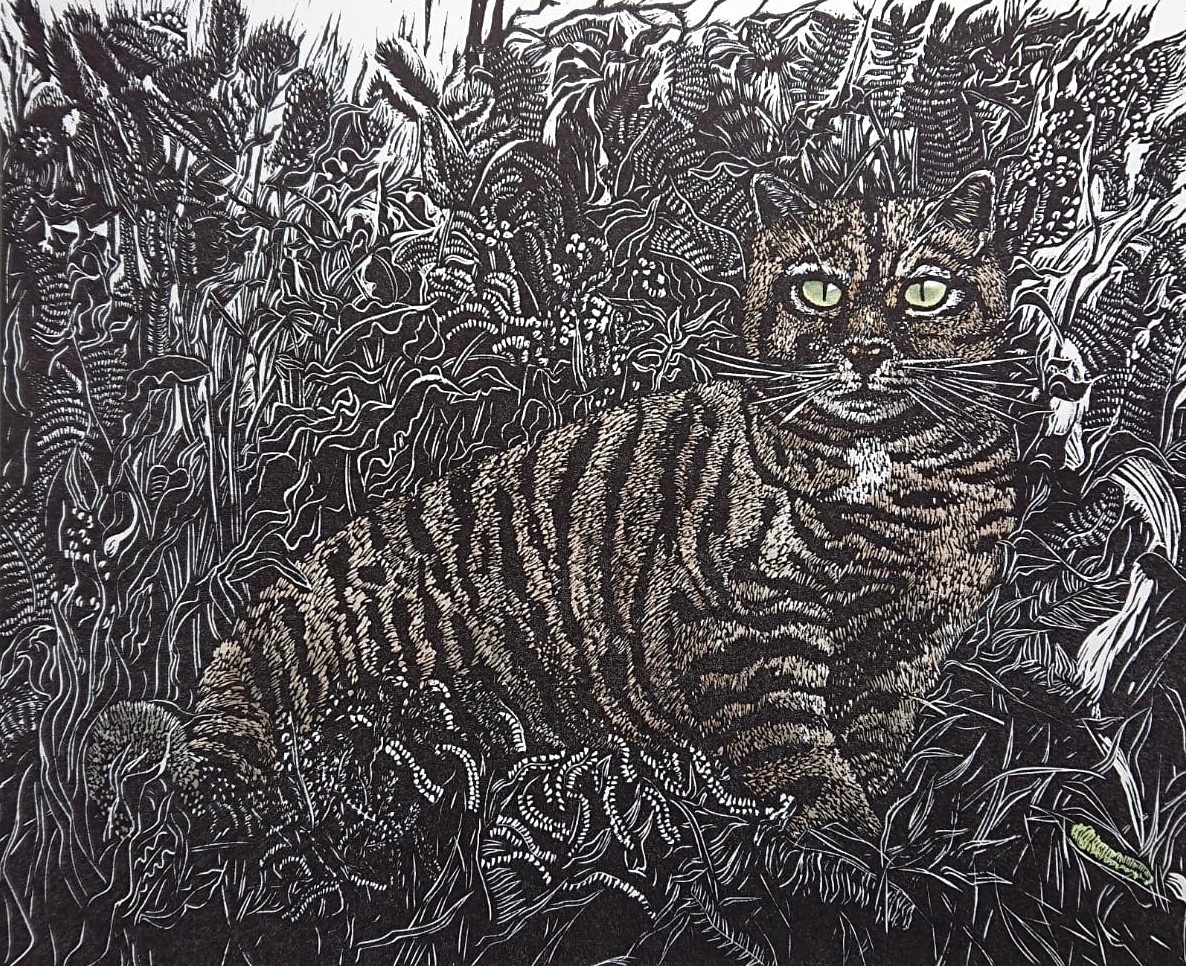
Saving Wildcats, one of our organisational early adopters, has filmed a wildcat giving birth, which the project believes is the first such footage ever recorded.
The wildcat is one of Britain’s rarest and most threatened mammals, listed as Critically Endangered in Great Britain and now found in the wild only in Scotland. Few people ever see one. On 11 August, Saving Wildcats released footage of a female called Skye giving birth to two healthy kittens at the project’s conservation breeding for release centre at Highland Wildlife Park in the Cairngorms. The project describes it as the first footage of a wildcat giving birth on camera.
Skye’s kittens bring the number born at the centre this year to seven. They are expected to be eligible for release in 2027, into a population that is beginning to establish itself in the Cairngorms National Park. Since 2023 the project has released 46 wildcats there, and at least nine released females have gone on to raise litters in the wild, with wild births recorded for a third successive year in June 2026. The project sees these births as evidence that breeding for release is working.
Saving Wildcats is led by the Royal Zoological Society of Scotland with NatureScot, Forestry and Land Scotland, the Cairngorms National Park Authority, Nordens Ark and the Junta de Andalucía, and is supported by the Scottish Government’s Nature Restoration Fund. Much of its work happens outside the breeding centre: with land managers in the release area, and with Cats Protection on a programme to trap, neuter, vaccinate and return feral domestic cats.
That work matters because the main threat to wildcats in Scotland is hybridisation with domestic and feral cats, which has diluted the wild population’s genetic distinctiveness. Domestic cats can also pass diseases to wildcats. Kittens born in the wild face high mortality, and the population remains small and new.
Saving Wildcats joined I Stand Beside as an early adopter, standing beside the European wildcat, Felis silvestris. In its own words, it stands beside “this elusive cat” because greater awareness of the species, and of how different it is from domestic cats, is vital to its survival.
Saving Wildcats is in good company. The artist Jane Frere, a co-founder of I Stand Beside, also stands beside the wildcat. As a child she would set off alone across the moors above her home in search of “Highland tigers”, hoping to find them living freely in their dens. She now champions the wildcat through her art and advocacy, and through The Ark – We Stand Beside, the exhibition she curated.
Standing beside: Anyone who keeps a cat in or near wildcat country can help. Wildcat conservationists in Scotland ask owners to have their cats neutered, vaccinated and microchipped.
Sources: Saving Wildcats: birth caught on camera; Saving Wildcats: wild births for a third year; Nature Restoration Fund support
Further sources: Mammal Society: wildcat Red List status; NatureScot on wildcats and hybridisation; Saving Wildcats: trap, neuter, vaccinate, return; Scottish Wildcat Action report on responsible cat ownership
Image: Scottish wildcat by artist and ISB co-founder Jane Frere.