Maidstone Borough is First UK Council to Adopt a Rights of Nature Framework
We’re encouraged to share some genuinely positive news from Maidstone. Maidstone Borough Council has adopted a Rights of Nature framework, making it the first council in the UK to do so. Cabinet agreed the move in April 2026, committing the council to embed the principle that nature has an intrinsic right to exist, thrive and […]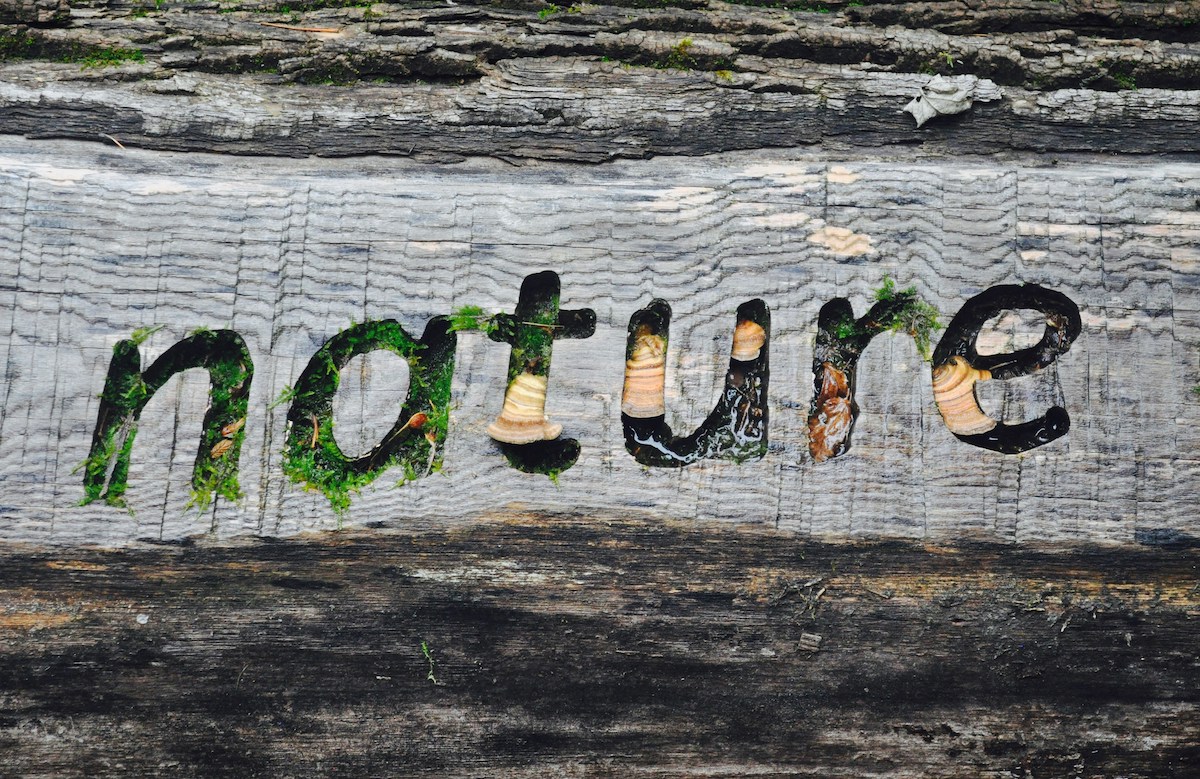
We’re encouraged to share some genuinely positive news from Maidstone. Maidstone Borough Council has adopted a Rights of Nature framework, making it the first council in the UK to do so. Cabinet agreed the move in April 2026, committing the council to embed the principle that nature has an intrinsic right to exist, thrive and evolve across governance, decision-making and service delivery.
What makes this especially interesting is that the council is presenting Rights of Nature as something practical. The framework is being integrated directly into Maidstone’s Biodiversity Action Plan and Climate Change Action Plan, with a particular focus on waterways, trees and wildlife. The stated aim is to ensure that nature’s interests are considered alongside social, economic and financial factors in council decisions.
The decision followed a councillor motion in October 2025 asking officers to explore how Rights of Nature principles could be applied through existing legal powers and governance structures. The result is a framework that is tied to delivery: habitat protection and connectivity, tree retention and canopy expansion, river health and water quality in planning, and annual monitoring through established council processes.
For us, this is encouraging because local government matters enormously in ecological recovery. Councils help shape the condition of rivers, soils, green space, urban canopy and habitat networks. They influence how development happens, what gets protected, and how seriously ecological integrity is treated in day-to-day decisions.
Maidstone is also framing this decision as part of a wider programme of environmental action, including a 20% Biodiversity Net Gain requirement for new developments, work on climate resilience, community guardianship of trees and green spaces, 9,300 native trees planted, 280 metres of native hedgerow established, and nearly £500,000 made available through a Nature Recovery Fund. The real test now is whether the framework shapes decisions over time. We very much hope it does. If it does, Maidstone could become an important local test case for whether Rights of Nature can function as part of routine public governance rather than remaining at the level of aspiration.
Stay tuned…
Photo by Sara Codair on Unsplash