Offering #1 – Reflections on a New Constellation of Creatives Standing Beside the Natural World
This is the first of our Offerings. From time to time, we will share reflections here on what is unfolding around I Stand Beside: things we are noticing, learning, wondering about, or just feeling our way into. In this Offering, we reflect on and express gratitude to our new Early Adopters… In recent weeks, a […]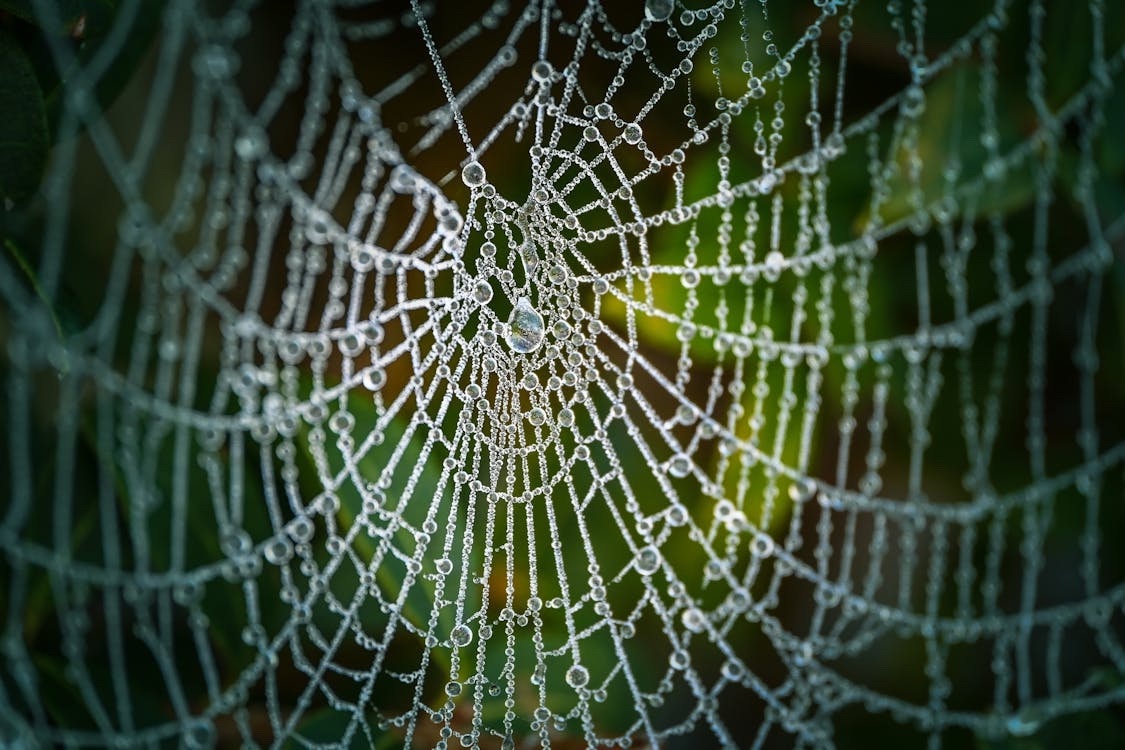
This is the first of our Offerings.
From time to time, we will share reflections here on what is unfolding around I Stand Beside: things we are noticing, learning, wondering about, or just feeling our way into.
In this Offering, we reflect on and express gratitude to our new Early Adopters…
In recent weeks, a flurry of extraordinary people have joined our community: Jay Griffiths, Laline Paull, Richard Powers, Kim Stanley Robinson, Jeremy Lent, Jonathon Porritt, Kate Raworth, and Justin Adams. Each has chosen a being to stand beside. We have been moved by this and are so grateful!
In the early stages of any living project, there are moments when one wonders whether the thing one is trying to make will truly resonate beyond the very small circle that first imagined it. Then, suddenly, others arrive, bringing their trust and their own ways of seeing. Their arrival tells us that something is being heard.
These new Early Adopters are people whose work has helped many of us see the living world with greater depth, humility, curiosity, and wonder. Jay Griffiths, standing beside the Small Blue Butterfly. Laline Paull, beside the Honey Bee. Richard Powers, beside Lichens. Kim Stanley Robinson, beside the Wolverine. Jeremy Lent and Jonathon Porritt, each beside Slime Moulds. Kate Raworth, beside the Octopus. Justin Adams, beside the Buzzard.
Such richness in these choices!
A small blue butterfly asks us to slow our gaze and kneel down into the fine-grained life of a meadow. A honey bee draws us into pollination, labour, sweetness, sociality, and precarity. Lichens speak of partnership and patience, and they are all about life made through intimacy. A wolverine brings endurance and wildness. Slime moulds invite us into forms of intelligence that are distributed, emergent, and astonishingly old. An octopus reminds us that minds have evolved along many paths, and that our oceans are full of beings whose experiences defy our categories. A buzzard calls our attention upward, to thermals; widening our awareness…
Some of these beings are charismatic. Some are tiny. Some are easily overlooked. Together they suggest that standing beside is about entering into relationship with lives that can teach us, surprise us, and perhaps change us.
So much in modern culture trains our attention toward the loud, the large, the useful, the marketable, the visible. Yet the living world is full of strange intelligences, delicate interdependencies, long collaborations, hidden labours; it is brimful of ways of being that ask more of us than admiration. They ask for attentiveness and for respect. They also ask us to grow a larger imagination.
In different ways, each of these writers and thinkers are helping to nurture that larger imagination.
Jay has long written toward wildness, language, kinship, and the subtle currents that run between culture and the more-than-human world. Laline has invited readers inside the social and sensory life of other species. Richard has helped many people feel the scale, intelligence, and entanglement of forest life. Stan has stretched the temporal and political imagination required for inhabiting a damaged and changing Earth. Jeremy has traced the deep stories and patterns that shape how we understand ourselves in relation to the cosmos. Jonathon has spent decades urging environmental thought and action toward courage and systemic change. Kate has offered a framework to transform our economies so they allow life to flourish rather than perpetuating life’s unravelling. And Justin was part of the early conversations from which I Stand Beside first emerged, and is now helping to bring the Ostara Collective into being, a new initiative creating spaces for people to reconnect with each other and the living world, and to reimagine how our systems might serve life.
That these people have chosen to stand beside particular beings means a great deal to us. It suggests that this simple act (choosing a life beyond our own, and publicly placing ourselves in relation to it) gives form to care and it helps make relationship visible.
We hope, too, that it gives permission.
Permission to choose a being without needing to justify the choice in instrumental terms, as well as the permission to be led by affection, fascination, grief, kinship, memory, mystery. It gives us permission to stand beside a butterfly or a fungus or a cephalopod or a shimmering slime mould and to say: this life matters; I want to learn from it; I want to speak for its flourishing where I can. Perhaps that is part of how cultures change. Not all at once, and rarely through argument alone. Sometimes change begins through attention becoming shareable. Through new forms of public tenderness, and acts that seem small until they begin to gather.
This recent constellation of Early Adopters feels, to us, like such a gathering. We feel grateful and are reminded of what I Stand Beside is really for: to help grow a culture in which standing beside the living world becomes a natural thing to do: thoughtful, joyful, serious, creative, and communal.
When people whose work has already widened our ecological imagination decide to join us in this early chapter, we receive that as a sign of possibility.
A butterfly. A bee. Lichens. A wolverine. Slime moulds. A buzzard. An octopus.
Delicate wings. Wild minds. Strange teachers. Fierce survivors. Ancient collaborations. Wider visions. Other kinds of knowing.
We welcome them all, and we welcome the people who have chosen to stand beside them.
And as our small community grows, dare we imagine what may become possible when more and more of us begin, in earnest, to gather around the living world with care?
Photo by Lorna Pauli