On World Environment Day: A New Step for Nature’s Rights in the UK
As this year’s World Environment Day observance focuses on climate change and “the urgent signals the Earth is sending”, a new signal has arrived from Westminster too: the Nature’s Rights Bill received its first reading in the House of Lords on 1 June 2026. It is a private member’s bill, sponsored by Baroness Bennett of […]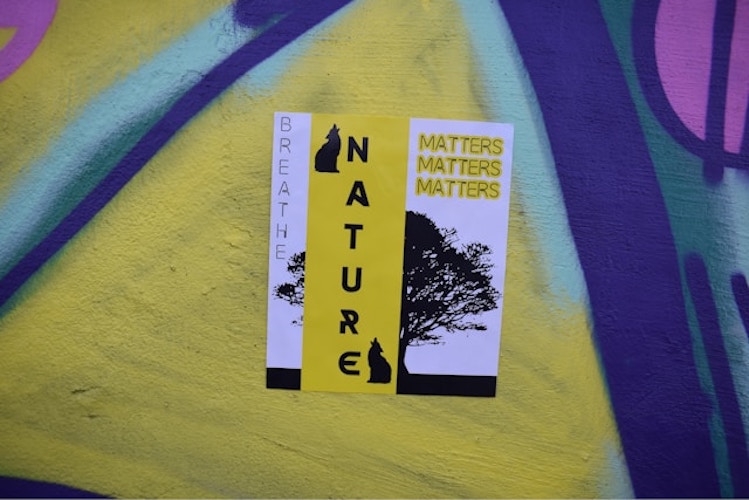
As this year’s World Environment Day observance focuses on climate change and “the urgent signals the Earth is sending”, a new signal has arrived from Westminster too: the Nature’s Rights Bill received its first reading in the House of Lords on 1 June 2026. It is a private member’s bill, sponsored by Baroness Bennett of Manor Castle, and its first reading formally marks the start of its journey through Parliament. Its second reading has not yet been scheduled.
What makes this so significant is the substance of the bill. The text would recognise Nature in UK law as “a legal subject and rights-bearing entity”. It would establish rights for Nature to exist, persist and evolve within safe ecological limits; to maintain and regenerate ecological integrity; to be restored where harm has occurred; to be free from pollution and degradation that threaten ecological integrity or resilience; and to maintain natural cycles, connectivity, diversity, abundance and resilience.
The bill also goes well beyond symbolism. It would create a duty of care towards Nature for public authorities, UK entities and, in some circumstances, others whose activities may significantly affect Nature. It proposes rights impact assessments, reporting obligations, a Nature Guardianship Council, Bioregional Councils, and a Nature’s Rights Tribunal. In other words, it tries to translate a moral and ecological insight into governance, procedure and enforcement.
One of the most interesting features of the bill is its Integrated Rights Framework. Under that framework, the rights of Nature are recognised as the foundation of human life, society and economic activity; human rights are to be protected within the ecological conditions necessary for life; and economic, corporate and property rights are to be exercised within, and in a manner that supports rather than undermines, the rights of Nature and human rights. That is a clear attempt to reorder the terms on which environmental decisions are made.
At I Stand Beside, that feels worth marking. Environmental decline is not only a problem of emissions, pollution, habitat loss or over-extraction. It is also a problem of law, governance and imagination. If living systems are treated only as property, assets or background conditions for economic activity, their protection will almost always be partial and contingent. A bill like this does something more foundational. It asks whether the living world should have standing in law because it is alive, interconnected and constitutive of the conditions that all life depends upon. This is our interpretation of the wider significance of the bill.
It is also important to be precise. This bill has been introduced, not enacted. First reading in the Lords is a procedural starting point, and private members’ bills face steep political and parliamentary hurdles. Still, the introduction matters. It gives formal legal shape to an idea that has been gathering momentum in many places: that rivers, forests, species and ecosystems are not merely resources to be managed, but living systems with integrity, limits and claims of their own. In the UK, that wider conversation has already been surfacing in recent rights-of-rivers work, including the House of Commons Library’s March 2026 briefing on the subject and the May 2026 adoption of a Charter for the Rights of the River Wye by Powys County Council.
For World Environment Day, this feels like the right kind of news to celebrate. Climate change, biodiversity loss and ecological degradation are inseparable from the question of how societies decide what counts, who is represented, and where responsibility sits. A legal framework that begins from the rights of the living world will not solve everything. It could, however, help shift public institutions toward a deeper form of accountability to the web of life.
That would be a meaningful step. And on World Environment Day, it is most heartening to see it being argued for in Parliament.
Sources
UK Parliament bill page for the Nature’s Rights Bill
https://www.natures-rights.org/uk-bill
House of Commons Library briefing, Rights of Rivers (31 March 2026).
Powys County Council on the Charter for the Rights of the River Wye (21 May 2026):
Photo by Marija Zaric on Unsplash