
Steve MicklewrightScottish Wood Ant
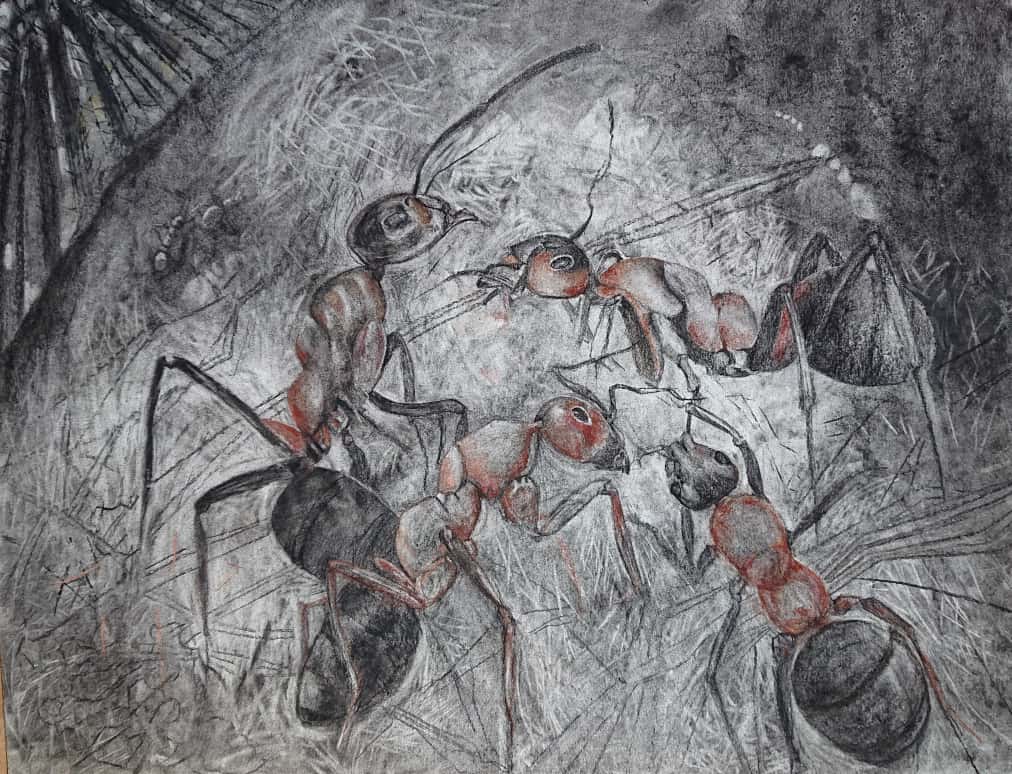
Why I chose to Stand Beside the Scottish Wood Ant Formula aquilonia
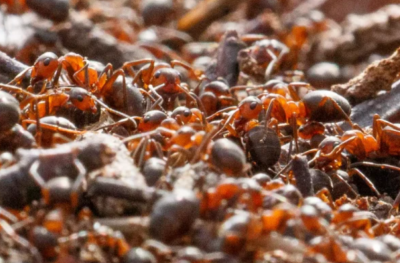
Scottish wood ants live in huge colonies often in ancient Caledonian pinewoods in the Scottish Highlands. Their nests are piles of pine needles and leaves and the surface of the nest can appear to move on a warm day when thousands of ants are active.
I chose the Scottish Wood Ant because they are fascinating, other-worldy, creatures. They can only exist as a colony of cooperating animals – solo wood ants just die – a lesson for humanity of ever there was one. They also symbolise how all creatures, no matter how small or seemingly different from us, have their part to play in the natural world. Diversity is something to cherish, whether that is in nature or in people.
What role do they play within a healthy eco system
Scottish wood ants are keystone species because they help woodlands to function and achieve a natural balance. They help with seed dispersal, prey on other insects, keep the natural cycles of nutrients moving and are food for birds such as capercaillie.
Reasons they are endangered or under threat
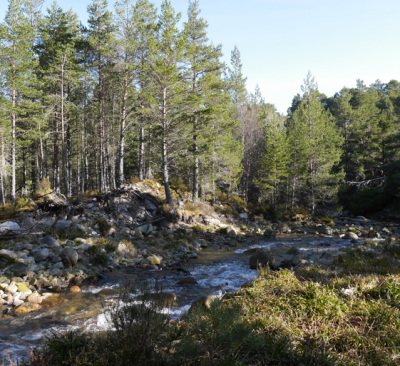
Scotland’s globally unique Caledonian pinewoods are their natural home, but only 2% of its original area remains, often in fragmented, disconnected remnants. That is the main reason they are under threat. They are also slow to colonise new areas because ants do not usually disperse very far from their original nest. There are many places in Scotland that are suitable for them, but they cannot reach on their own. Moving colonies that are endangered because of development is one way to help them spread.
Scotland The First Rewilding Nation
I work in the Scottish Highlands and the landscape is stunningly beautiful, but this beauty is only skin deep. Many describe it as a ‘wet desert’.Instead of miles and miles of barren moorland, the Highlands should be a rich tapestry of woodland, peatland, wetlands, alpine meadows, moorland, lochs and burns.
Unfortunately, Scotland is one of the most nature depleted countries in the world. But there is space and enough wildlife holding on to turn it in to one of the richest. That’s why the Scottish Rewilding Alliance, which I co-convene, is calling on Scotland to become the world’s first Rewilding Nation, committing to rewild 30% of its land and sea. This is a bold idea and would require real commitment from the Scottish government to make it happen. While the government occasionally makes laws and delivers policy that benefit rewilding, they are a long way from being committed to the idea.
The only way we will see lynx return to Scotland, woodlands to spread naturally and along with them Sottish wood ants dispersing, is if people demand change and demonstrate through their own actions that they are part of that change. This means becoming politically active, making it clear to politicians that your vote, which is something they desperately crave, is dependent on them tackling the climate and nature emergencies.
By going out into nature and also volunteering to do practical nature conservation work, we can all connect with nature, witness its beauty and ingenuity, and be a part of the wildlife comeback that is so desperately needed.